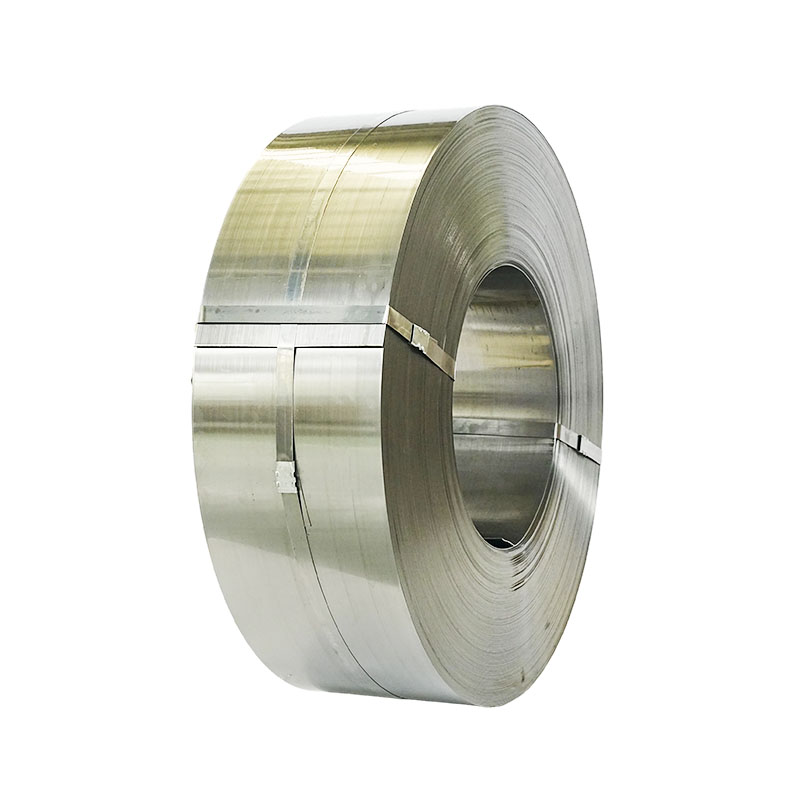
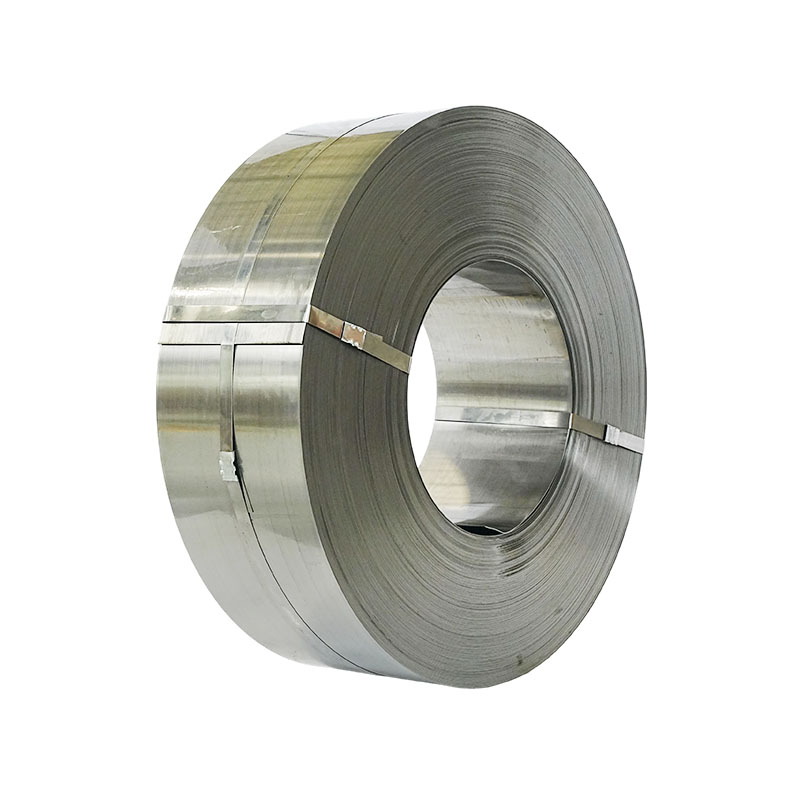
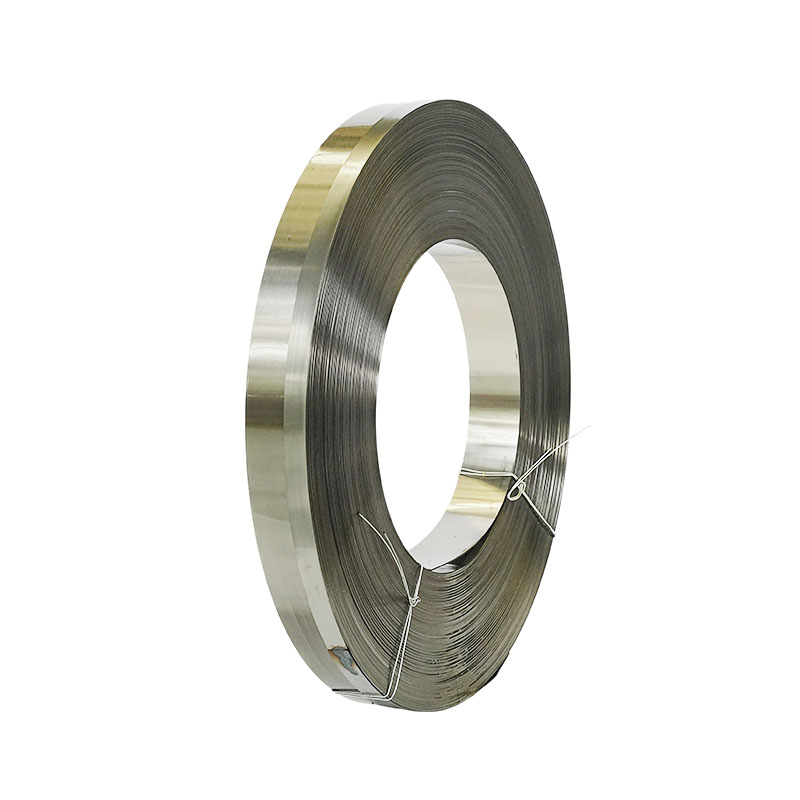
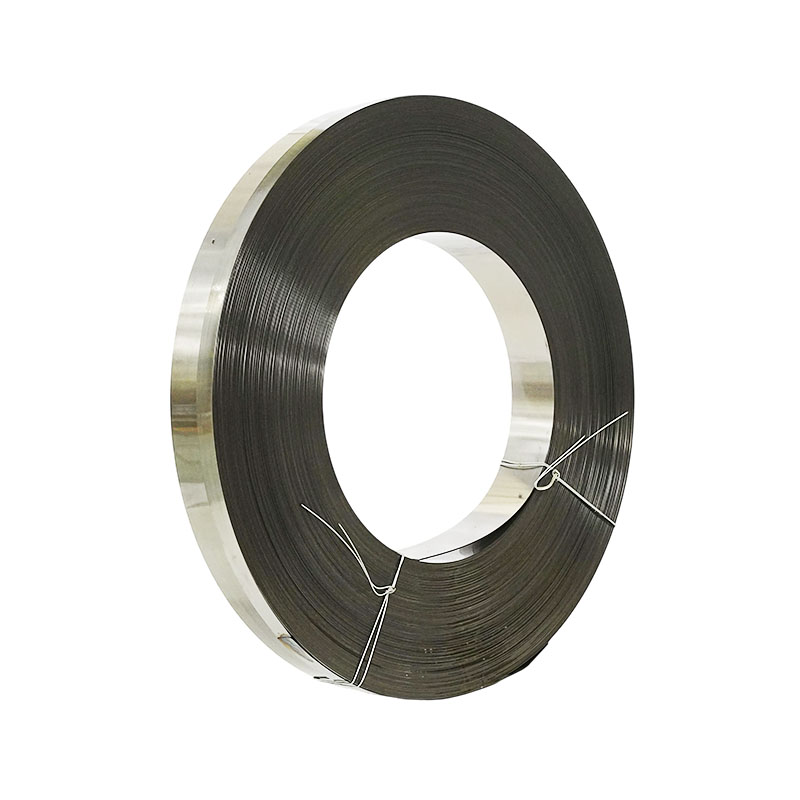
Q1: What are the primary applications of your company's spring steel materials?
A1: Compressor valve plates / shock absorber valve plates, textile machine needles/pointers, printing ink doctor blades, stone processing gang saw blades, wood sawing tools, medical devices, automotive parts, hardware tools, footwear materials, coil springs / clockwork springs.
Q2: Which grades are best suited for automotive parts, and can heat-treatment hardness be customized per drawing?
A2: 65Mn is our highest-volume domestic spring steel grade, used for seat clips, wire harness spring plates, snap fasteners and small clutch shims - balanced toughness that resists cracking under stamping. 60Si2Mn suits chassis heavy-duty springs and stabilizer bars. 51CrVA (EU-equivalent 51CrV4) is preferred for clutch diaphragm springs, valve springs and other high-fatigue precision springs. Heat-treatment hardness can be customized according to customer drawings.
Q3: What is the maximum thickness available for stamping-grade spring steel strip?
A3: Standard cold-rolled spring/tool steel strip (SK5, 65Mn, T10A) is available in 0.08-4.5mm; below 0.08mm we can supply ultra-precision ultra-thin strip (0.01-0.1mm) for micro precision stamping such as battery contacts and micro spring plates.
Q4: What hardness levels can you provide?
A4: Hardness is customized to customer requirements, up to a maximum of 60 HRC (Rockwell).
Q5: Do you provide chemical composition test reports, and what is the sample delivery lead time?
A5: Every batch is supplied with an MTC (Material Test Certificate) report. Standard order delivery time is approximately 35 days.
Q6: What tolerance precision can you control to?
A6: We operate two Sendzimir 20-high rolling mills from the US, achieving thickness tolerance as tight as ±0.003mm.



 English
 中文简体
中文简体