


 English
 中文简体
中文简体Different industries often look for the same material, but they do not always need the same result. A strip coil used in one production line may need a clean surface and steady width, while another may need easier forming behavior or a more controlled edge. That is why buyers usually compare suppliers through more than one lens. They look at processing ability, consistency, communication, packing, and whether the material suits the next step in their own workflow.
For many buyers, the real question is not whether the material exists. It is whether it arrives in a form that fits their production habits without creating extra adjustment time. That is where Stainless Steel Strip Coil Manufacturers become part of a wider supply decision. Their role is not limited to rolling metal into coils. They also shape how smoothly the material moves from raw input to usable stock in different plants and different sectors.
| Buyer Concern | What It Affects in Production |
|---|---|
| Size Control | Whether the material fits the planned process without extra handling |
| Surface Condition | How the coil behaves in later forming, cutting, or finishing steps |
| Delivery Style | How easily the material can be stored, moved, and used |
| Communication | How much time is spent clarifying the order before production starts |
In practice, buyers often move through the same thinking pattern. First they want a supplier that can supply the needed format. Then they want proof that the material stays steady from batch to batch. After that, they start asking whether the coil can be adjusted for their own line, their own storage space, and their own handling method. The topics below follow that same path.
What Should You Know Before Choosing Stainless Steel Strip Coil Manufacturers for Your Next Project
Before placing an order, it helps to start with the basics. A buyer may already know the final use, but the supplier still needs to understand what the material must do along the way. Some projects need smooth feeding into equipment. Others need clean edges for later cutting. Some need a surface that can be used as received, while others will be processed again.
A good starting point is to review the supplier's production capabilities and service range. Not every factory handles the same widths, finishes, or packing styles. Not every team supports the same level of communication during order planning. A buyer can save time by asking early about available formats, standard handling, and whether custom requests can be managed without delays.
It also helps to think about the project beyond the purchase order. A lower price can look attractive at first, but if the material needs extra adjustment after arrival, the real cost may rise later in the process. For that reason, the earliest conversation should focus on fit, not just cost.
A practical way to assess a supplier is to ask three simple questions:
- Can the material suit the intended process without major changes?
- Can the supplier keep the order consistent over repeated runs?
- Can the team answer questions clearly before production starts?
That approach keeps the discussion direct and avoids vague promises. It also gives a buyer a cleaner path from inquiry to delivery.
How Do Stainless Steel Strip Coil Manufacturers Keep Product Quality Consistent Across Every Order
Consistency matters because downstream work depends on predictable input. If one coil behaves differently from the next, production teams may need to adjust machines, handling, or timing. That can interrupt flow and create avoidable waste. Buyers often care less about what a sample looks like and more about whether the same result can be repeated.
The people making these coils usually rely on steady process control, careful inspection, and clear batch tracking. None of those steps are visible in the finished coil, but they shape the final experience. A supplier that manages order records well can also respond more easily when a buyer needs a repeat purchase.
| Quality Focus | Why Buyers Pay Attention |
|---|---|
| Surface Condition | Affects handling, appearance, and later processing |
| Width Control | Helps the coil fit production equipment |
| Edge Condition | Reduces problems during feeding or cutting |
| Batch Consistency | Supports repeatable results across orders |
Another part of consistency is communication between departments inside the factory. When production, inspection, and packing teams work from the same order details, there is less room for mismatch. Buyers may never see that internal process, but they feel the result when the coil arrives ready for use.
Consistency is also tied to how clearly the buyer explains the need. A short order note can leave too much room for guesswork. A clear request helps the factory match the material to the job without unnecessary revision.
Which Surface Finish Can Stainless Steel Strip Coil Manufacturers Provide for Different Applications
Surface condition affects both appearance and handling. Some users care about how the coil looks when it is exposed. Others care more about how it behaves in cutting, pressing, or bending. A clean and uniform surface can make later work easier, while a rough or marked surface may require extra handling.
Different projects call for different levels of visual care. For example, a coil used in hidden internal parts may not need the same finish as one used in a visible component. That is why buyers should not treat surface condition as a small detail. It often changes how much work comes later.
A supplier may offer several surface choices, and the right one depends on the use case. The buyer should think about:
- Whether the material will stay visible
- Whether it will be formed or shaped later
- Whether friction will matter during feeding
- Whether the surface needs to stay stable during storage
Surface selection is also tied to packing and transport. Even a suitable finish can be affected if the coil is handled roughly. For that reason, the finish itself and the protection around it should be considered together.
Why Does Thickness Tolerance Matter When Working with Stainless Steel Strip Coil Manufacturers
Thickness control is one of those details that can seem small until the material enters production. If the coil is too uneven for the process, the machine may need more adjustment. If the tolerance is too loose for the job, the final parts may not behave as expected. That creates stress for both the buyer and the production team.
Many users do not ask about thickness until later than they should. Yet this is one of the key details worth confirming early in the process. It influences folding, shaping, feeding, and how stable the material feels during use. A coil that matches the planned process is easier to integrate into a line and less likely to create avoidable interruptions.
When discussing thickness, buyers can focus on the process rather than the number alone. Ask whether the intended operation is light shaping, repeated forming, or another type of use. The more the supplier understands the end step, the easier it becomes to match the material to the job.
A simple decision path can help:
- Identify the next production step.
- Check how sensitive that step is to variation.
- Confirm whether the coil can support that level of control.
That sequence keeps the conversation practical and centered on the actual workflow.
How Do Stainless Steel Strip Coil Manufacturers Produce Precision Strip Coil from Start to Finish
The production path usually moves through several stages, even when the final coil looks simple. Material is prepared, shaped, adjusted, inspected, and then packed for shipment. Each stage adds a layer of control. If one stage is weak, the final coil may still look acceptable at a glance but perform less smoothly in use.
The early stages set the base condition. Later stages refine the size, edge quality, and surface state. Inspection then checks whether the finished coil matches the order details before it leaves the factory. Buyers often do not need the internal steps explained in technical depth. They only need enough understanding to see why one supplier can deliver a steadier result than another.
A useful way to view the process is in stages:
| Production Stage | Main Purpose |
|---|---|
| Material Preparation | Set the starting condition |
| Shaping and Control | Bring the coil to the required size and form |
| Surface Care | Reduce visible marks and handling issues |
| Inspection and Packing | Confirm readiness for shipment |
The value of this process is not in complexity alone. It is in repeatability. When the same steps are followed carefully, the final coil is more likely to work as expected in the buyer's own line.
What Questions Should Buyers Ask Stainless Steel Strip Coil Manufacturers Before Placing an Order
Good order planning starts with clear questions. A buyer does not need to ask everything at once, but the right questions can prevent later confusion. The goal is to reduce rework, avoid guesswork, and make sure the factory and buyer are speaking about the same result.
Useful questions usually fall into a few groups:
- What size range can be supplied for this request?
- What surface condition is suitable for the final use?
- How is the material packed for storage and transport?
- What documents or records come with the shipment?
- Can the same format be repeated in a future order?
These questions help the buyer see more than the price. They also show whether the supplier is attentive to details that matter after delivery. A quick answer is not always enough. A clear answer is more useful than a fast one.
It is better to raise these questions before the order details are finalized. Once details are locked in, changing the request may create extra work on both sides. Early clarity saves time later.
Tips for Comparing Stainless Steel Strip Coil Manufacturers Without Focusing Only on Price
Price matters, but it does not tell the full story. Two suppliers can quote similar numbers and still deliver very different experiences. One may communicate well and keep the order steady. Another may need more follow-up or cause more adjustment during production. Buyers often feel the difference after the coil has already arrived.
A more balanced comparison usually includes several points. Not all of them are technical. Some are practical and easy to overlook when the focus stays on the quote.
Consider comparing:
- Response clarity during the initial inquiry
- Flexibility in size or finish requests
- Packing care and transport protection
- Order consistency over repeat purchases
- Support during specification confirmation
That kind of comparison gives a fuller view of what the supplier can actually provide. It also helps buyers build a partnership that supports later orders, rather than starting over each time.
A useful habit is to compare the total effort required, not just the quoted amount. If one supplier requires fewer follow-ups and less correction, that difference matters in daily operations.
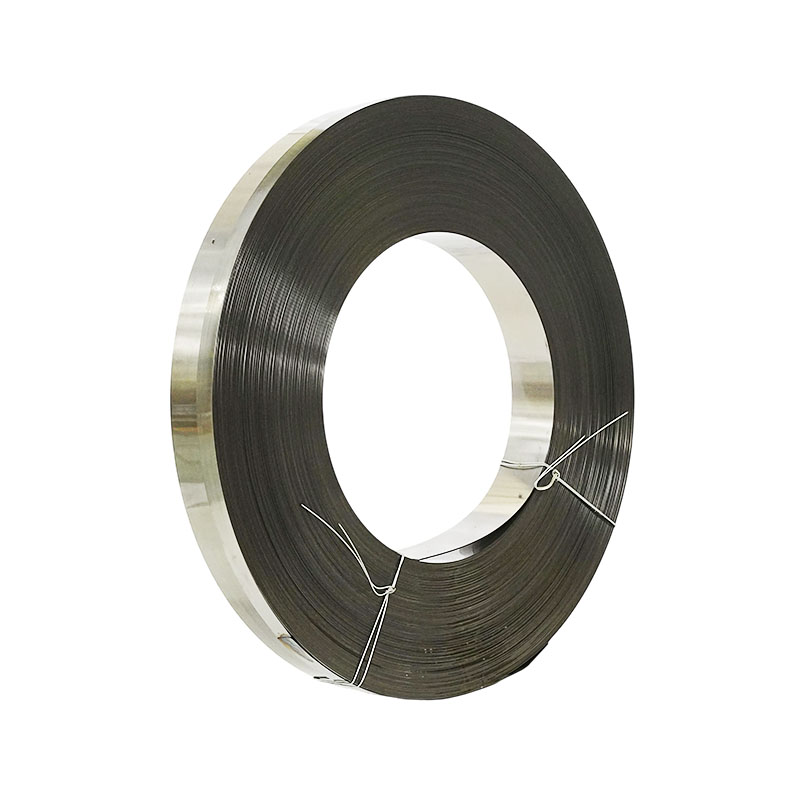
Why Do More Buyers Choose Stainless Steel Strip Coil Manufacturers That Offer Custom Processing Services
Custom processing becomes more important when a buyer needs the material to match an existing line. A coil may need a certain width, edge condition, surface state, or packing method before it can move smoothly into the next step. The more specific the use, the more useful it becomes to work with a supplier that can adjust the material instead of sending a standard form.
This is one reason buyers often prefer flexible support. It reduces the number of internal adjustments needed after delivery. It also makes order planning easier when the final use is not identical across projects. A supplier that can handle adjustments may fit a wider range of demand without forcing the buyer to change the process.
Custom support is not only about product changes. It can also involve communication, packing, and shipment preparation. A material that matches the line but arrives in an awkward format can still create trouble. The more the supplier thinks through the full delivery path, the more usable the order becomes.
In many cases, buyers are not looking for a complicated solution. They are looking for a coil that fits their work without extra correction. That practical goal is often what separates a useful supplier from a merely available one.
How Do Buyers Use Stainless Steel Strip Coil Manufacturers to Support Different Industry Needs
Different sectors place different pressures on the same material. A production line for formed parts may care about surface and shape stability. A line that uses repeated cutting may care more about edge behavior and feeding. A buyer serving multiple plants may need a supplier that can adapt without changing the basic ordering process each time.
That is why the strongest supplier relationships are usually built around repeatability, clarity, and process fit. The right supplier helps the buyer reduce friction in procurement, handling, and later production. The coil becomes more useful when it is selected with the end use in mind rather than bought as a generic item.
When buyers think in that way, the material is easier to manage from the initial inquiry to final use. It becomes part of a planned workflow rather than a separate problem to solve. That is the practical value many teams look for when comparing options in this market.


