


 English
 中文简体
中文简体Buying metal for a real production line is rarely about appearance alone. Buyers usually look at how a material behaves during cutting, bending, shaping, and repeated handling. A narrow strip may look simple, but its surface condition, thickness consistency, and forming performance can influence the efficiency and stability of the production process.
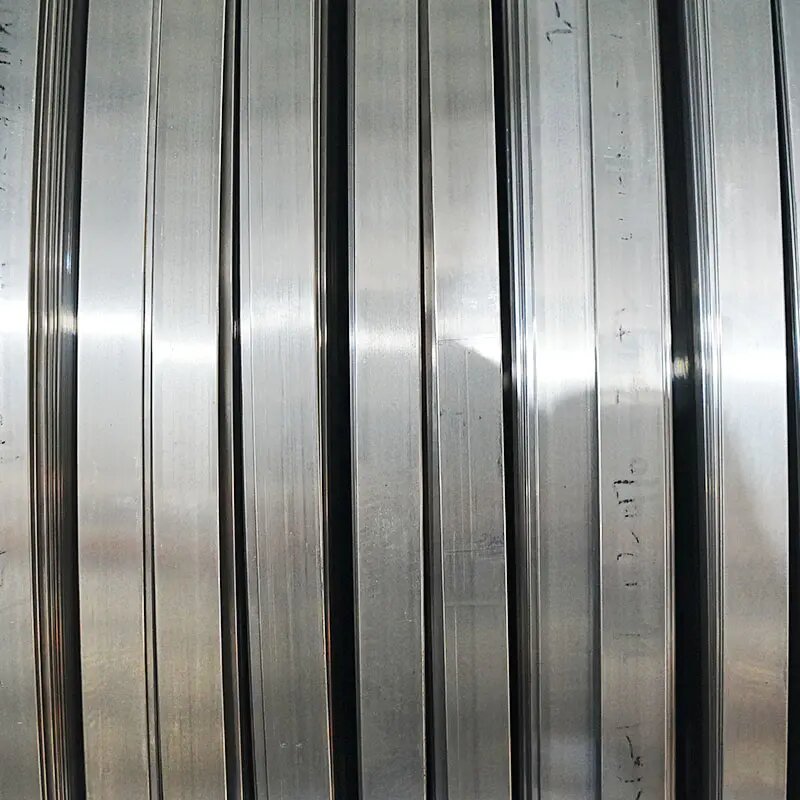
Cold Rolled Stainless Steel Strip often enters the conversation when a project needs a cleaner surface, tighter control, and a more predictable response in processing. It is used in parts that need careful shaping, stable size, and a consistent look across batches. For buyers, the question is not only what the material is, but how it fits the way a product will actually be made.
What Is Cold Rolled Stainless Steel Strip and How Does the Manufacturing Process Work
This material starts as stainless steel that is processed through rolling after the initial stage of forming. The goal is to bring the strip to a more controlled size and a smoother finish. During this stage, the material is passed through rollers that gradually reduce thickness and refine the shape.
The process matters because it changes more than appearance. It can improve consistency, support tighter control of width and thickness, and create a surface that is easier to work with in later steps. That is one reason Cold Rolled Stainless Steel Strip is often chosen for parts where fit and finish both matter.
A simple way to think about the process is this:
- The material is prepared for shaping.
- It moves through rolling stages.
- Thickness and flatness are adjusted.
- The surface is refined for later use.
- The finished strip is cut, packed, and sent for production.
Each step influences how the material performs later on. If the strip will be slit, bent, stamped, or assembled, these early choices can affect the whole workflow.
How Does Thickness Affect the Performance of Cold Rolled Stainless Steel Strip in Production
Thickness is one of the key details buyers check when evaluating material options. Even small changes in thickness can affect bending resistance, forming behavior, and how the strip fits into a machine process. A thinner strip may be easier to shape, while a thicker one may hold form more firmly. The right choice depends on what the end product needs to do.
In production, thickness also affects:
- how easily the strip feeds through equipment
- how much force is needed during forming
- whether the part keeps its shape after processing
- how well the material matches the final design
For teams working with Cold Rolled Stainless Steel Strip, thickness is often tied to both function and consistency. A strip that is too heavy for the task can create unnecessary stress during forming. A strip that is too light may not keep the shape that the product requires. The balance is practical rather than abstract.
| Thickness Choice | Practical Effect | Common Buying Concern |
|---|---|---|
| Thinner strip | Easier to bend and form | Shape control |
| Medium strip | Balanced handling and strength | General production fit |
| Thicker strip | More rigid in use | Forming effort |
The right thickness depends on whether the strip will move through a simple process or a more demanding one.
Why Is Cold Rolled Stainless Steel Strip Used for Precision Components and Thin Metal Parts
Precision parts ask more from a material than a general-use component does. They often need a clean edge, a steady response to forming, and a surface that does not create extra work later. A strip used in these parts must behave in a controlled way from one batch to the next.
That is where Cold Rolled Stainless Steel Strip becomes useful. It is often selected because it supports careful processing and reduces variation that could affect final fit. In thin parts, even small differences may require additional adjustments, reprocessing, or material changes. Buyers usually want a strip that supports repeatable results without creating surprises in the line.
Typical reasons it is used for precision and thin parts include:
- stable size behavior during processing
- a cleaner look for visible parts
- better handling in narrow or delicate shapes
- a fit with detailed forming work
For manufacturers, the value is often practical. A material that behaves consistently can save time in setup and reduce adjustment during production. That is especially important when the final part needs close control in shape or appearance.
Cold Rolled Stainless Steel Strip vs Hot Rolled Strip What Are the Key Differences for Buyers
Buyers often compare the two because they serve different needs. One is usually chosen when a project needs a cleaner finish and closer size control. The other may suit applications where appearance and fine tolerance are less central.
The difference is not only in how the material is made, but also in how it feels in production. The cold-processed version is more often associated with smoother handling in precision work. The hot-processed version may be used in broader structural work where the demands are less exact.
| Buying Point | Cold Rolled Strip | Hot Rolled Strip |
|---|---|---|
| Surface feel | Smoother and more even | Less refined |
| Size control | Tighter and more stable | Wider variation |
| Forming use | Suited to detailed parts | Suited to broader use |
| Visual finish | More consistent | More utilitarian |
| Buyer focus | Precision and fit | General strength and use |
For buyers, this comparison is useful because it keeps the choice tied to the actual job. If the part will be visible, narrow, or carefully shaped, the cooler-processed option often fits the workflow better. If the use is broader and less focused on finish, the other route may be enough.
Cold Rolled Stainless Steel Strip appears in this comparison because it is often selected when the project needs tighter control rather than a rougher, general-purpose feedstock. That makes the decision less about labels and more about use.
How to move into the next buying step
Once the basic difference in process and performance is clear, the next step is to match material grade, forming needs, and supplier capability with the intended use. That is where the choice becomes more specific and more useful for production planning.
Which Stainless Steel Grade Should You Select for Cold Rolled Stainless Steel Strip Projects
Grade choice affects how the material behaves in use, how it responds to forming, and how it handles the working environment. Some projects need more resistance to wear or moisture, while others care more about shaping, bending, or appearance. The right choice depends on the role the strip will play after processing.
For buyers, the useful question is not which grade sounds stronger on paper, but which grade matches the job. A strip used for a visible part may need a cleaner finish and steadier handling. A strip used in a compact component may need a more balanced response during forming. Cold Rolled Stainless Steel Strip often sits in the middle of these needs, so grade selection becomes a practical decision rather than a naming exercise.
| Buying Need | What to Look For | Typical Concern |
|---|---|---|
| Moisture exposure | A grade with stronger resistance to corrosion | Surface stability |
| Frequent forming | A grade that bends with less risk of cracking | Shape retention |
| Visible use | A grade with a cleaner and more even finish | Appearance consistency |
| General industrial use | A grade with balanced performance | Broad process fit |
A useful way to narrow the choice is to start with the working environment, then move to shaping needs, then confirm the finish required by the final part. When these three points line up, the selected material is usually easier to use across production.
How to Choose the Right Cold Rolled Stainless Steel Strip for Different Industrial Applications
Industrial use changes the buying logic. A strip for electronic parts does not face the same conditions as one used in springs, covers, clips, or support pieces. That is why the selection process needs to begin with the end use, not with the catalog page.
A simple method is to ask three questions. What will the part do. How will it be processed. Where will it be used. These questions help connect the material choice to the real working environment. A thin part may need easier forming. A part exposed to repeated handling may need steadier surface behavior. A part that sits inside a device may need tighter size control.
Some buyers also compare handling needs across production stages:
- If the strip will be bent often, the material should respond without trouble during shaping.
- If the strip will remain visible, the finish should stay even and neat.
- If the strip will be cut or slit before use, edge behavior becomes important.
- If the strip will be assembled into a compact part, width and flatness matter more.
Cold Rolled Stainless Steel Strip is often chosen in these cases because it can support more careful processing. The value is not in one single feature, but in how several features work together during production.
How Is Cold Rolled Stainless Steel Strip Made and What Quality Factors Should You Check
Production details affect how the strip performs later. A smooth-looking surface is not enough on its own. Buyers usually need to know whether the strip keeps its shape, holds its finish, and stays consistent from one length to another.
The making process normally includes forming, rolling, adjustment, and finishing stages. Each stage shapes the final result. If one step is not controlled well, the issue may appear later during cutting, bending, or assembly. That is why checking quality before purchase matters.
Important points to review include:
- surface condition
- thickness consistency
- flatness
- edge condition
- overall visual uniformity
- behavior during sample processing
These checks are practical because they connect directly to how the strip will perform in a real line. A buyer may not need every detail from the making process, but the final result should still match the intended use. When evaluating Cold Rolled Stainless Steel Strip, many buyers start with a small sample and see how it behaves in the same process used for production.
Tips for Choosing a Reliable Cold Rolled Stainless Steel Strip Supplier for Long Term Cooperation
Supplier choice affects more than delivery. It can influence communication, specification control, repeatability, and how easily a project moves from trial to regular supply. A reliable supplier should be able to explain material options clearly, confirm what the buyer needs, and keep the same level of handling across orders.
An important point to check is whether the supplier asks the right questions. A careful supplier will usually want to know the intended use, forming method, required size, and finish expectations. That kind of communication often matters more than broad promises.
A good buying process usually includes:
- clear confirmation of thickness and width
- sample review before regular supply
- agreement on surface expectations
- discussion of packaging and transport handling
- repeat checks for batch consistency
Long term cooperation works better when both sides speak in precise terms. If the buyer describes the application clearly, the supplier can match the material more accurately. That is especially useful when ordering Cold Rolled Stainless Steel Strip for repeated production, because small changes can create problems later in the line.
The final decision is rarely about a single feature. It is about how well the supplier understands the use case, how steadily the strip can be produced, and how closely the material aligns with the final part.


